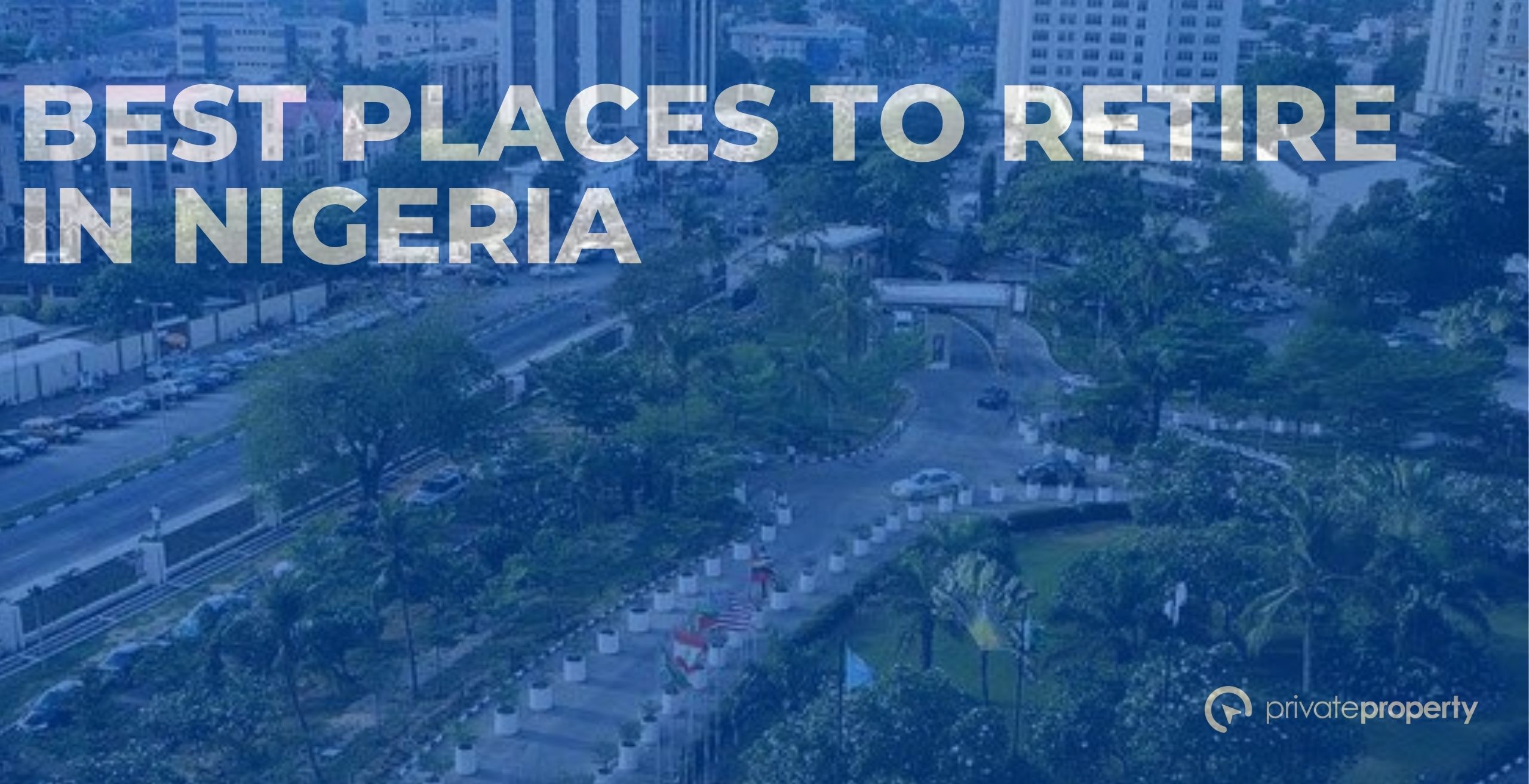
Retirement in Nigeria is not one experience — it is many. The retired civil servant going back to the family compound in Ogun State, the Lagos professional cashing out of the rat race for a quieter life in Enugu, and the diaspora returnee landing in Abuja with a pension in dollars and a desire to reconnect with home are all navigating the same decision: where, exactly, should I spend this chapter of my life?
It is a more consequential choice than it might seem. Nigeria is a country of dramatic contrasts, not just in culture and language, but in cost of living, security, infrastructure quality, healthcare access, and sheer pace of life. A city that is ideal for one type of retiree — peaceful, low-cost, socially rich — might be entirely wrong for another who needs world-class hospital access or a specific community. Getting this decision right is one of the most important things you will do for the quality of your retirement years.
This guide walks through the most compelling retirement destinations in Nigeria, city by city, with an honest assessment of what each offers, what it costs, and who it suits best. It also addresses the practical challenges every Nigerian retiree needs to plan for: inflation, healthcare, and what it actually costs to live comfortably in 2026.
What to Look for in a Nigerian Retirement Destination
Before diving into specific cities, it is worth establishing the criteria that matter most for retirement. These are not the same as the criteria that guide a career move or a property investment, even though all three decisions can intersect.
Cost of living and affordability. How far does your pension, savings, or passive income actually go in this city? The gap between Lagos and Ibadan, or between Abuja and Calabar, is wider than many people realise.
Healthcare access. This is the non-negotiable for most retirees. You need to know that a good private hospital is within a reasonable distance, and that specialist care — cardiology, orthopaedics, oncology — is accessible if needed. Public facilities remain stretched across most of Nigeria, so planning for private healthcare is essential.
Security and peace of mind. Some regions of Nigeria face genuine security challenges that make comfortable retirement difficult or impossible. The cities recommended in this guide are those where the security situation is manageable and daily life is genuinely calm.
Social and cultural richness. Retirement is not just about avoiding hardship — it is about living well. Places of worship, community associations, cultural events, markets, nature, and proximity to family are all part of what makes a retirement destination genuinely fulfilling.
Infrastructure. Roads, power supply, water, and internet matter in retirement, perhaps more than during a working life when office infrastructure compensates for inadequate home conditions.
Community and belonging. Returning to one’s state of origin, or to a city with a strong presence of one’s ethnic or social community, can significantly improve the retirement experience. Isolation is one of retirement’s biggest risks, and the right city minimises it.
At a Glance: Comparing Nigeria’s Top Retirement Cities
| City | Cost of Living | Healthcare | Peace & Safety | Best For |
| Calabar | Low–Moderate | Good private | Excellent | Calm, cultural retirees |
| Abuja | Moderate–High | Very good | Very good | Comfort & infrastructure |
| Ibadan | Low | Moderate | Good | Budget-conscious retirees |
| Enugu | Low–Moderate | Good | Very good | Southeast diaspora, families |
| Uyo | Low | Moderate | Very good | Clean, quiet, affordable |
| Jos | Very Low | Moderate | Moderate | Cool climate, nature lovers |
| Abeokuta | Low | Moderate | Good | SW diaspora, heritage lovers |
1. Calabar — Nigeria’s Cleanest City and a Retiree’s Dream
If there is one Nigerian city that consistently tops every livability ranking, it is Calabar. The capital of Cross River State has earned its reputations honestly: it is genuinely cleaner than almost any other Nigerian city of comparable size, its public spaces are better maintained, and its cultural life — anchored by the famous Calabar Carnival, the biggest street party on the African continent — is rich and community-centred.
For retirees, Calabar’s practical advantages are equally compelling. The cost of living is low by southern Nigerian standards, with affordable fresh seafood — one of the great pleasures of life in the city — available daily. Suburban areas like 8th Mile and Calabar South offer excellent value for housing, with decent 3-bedroom apartments available at prices that would buy a modest room in Lagos. The city is generally peaceful, the pace of life is unhurried, and the community is welcoming. Healthcare access is adequate through private facilities, and the broader Cross River State government has made consistent investment in public infrastructure.
| 🏙️ Calabar at a GlanceBest for: Retirees prioritising peace, cleanliness, affordability, and cultural lifeCost: Low to moderate — one of the most affordable southern Nigerian citiesHealthcare: Good private hospitals; plan for occasional travel to Lagos or Abuja for specialist careCommunity highlight: Calabar Carnival (December); rich Efik-Ibibio cultural heritageClimate: Warm and tropical; green and lush year-round |
2. Abuja — Planned, Peaceful, and Well-Connected
Abuja was designed to function, and forty years after its inauguration as Nigeria’s capital, it largely does. Roads are wider and better maintained than in most Nigerian cities. The environment is notably greener and cleaner. Security, while not without challenges, is meaningfully stronger than in many other urban centres. And the city’s infrastructure — including hospitals, schools, shopping, and utilities — is the best-planned in the country.
For retirees with a reasonable pension or passive income, Abuja offers a quality of life that is genuinely competitive. Gated estate living in districts like Gwarinpa, Jahi, or Life Camp provides security, amenity access, and community in managed, well-maintained environments. Healthcare is served by some of Nigeria’s best private hospitals, and the capital’s concentration of expatriates and diplomats means international-standard medical services exist for those who need them. The city’s traffic, while not Lagos-level, is growing, and the cost of premium living has risen significantly since 2023 — so budget planning is essential. But for retirees who want the most comfortable, functional Nigerian city, Abuja is the answer.
| 🏙️ Abuja at a GlanceBest for: Retirees seeking comfort, security, and Nigeria’s best urban infrastructureCost: Moderate to high — budget at least ₦400,000/month for a comfortable lifestyleHealthcare: Very good private hospitals; National Hospital and premier specialist clinicsCommunity highlight: Millennium Park; diverse, cosmopolitan resident baseClimate: Hot dry season (Nov–Mar); warm wet season (Apr–Oct); cooler than Lagos |
3. Ibadan — Affordable, Historic, and Close to Lagos
Ibadan is the largest city in West Africa by land area and one of Nigeria’s most historically and culturally significant urban centres. It is also, for many retirees, one of the most practical choices in the country. Housing in Ibadan can be up to fifty to sixty percent cheaper than in Lagos, despite the two cities being connected by the Lagos-Ibadan Expressway and, increasingly, by rail. That proximity is one of Ibadan’s most underappreciated retirement advantages: you are close enough to Lagos for hospital visits, family connections, and occasional urban convenience, but far enough to live at a pace and cost that Lagos simply cannot offer.
The University of Ibadan and its affiliated institutions give the city a strong intellectual and cultural character. The University College Hospital (UCH), despite its public-sector challenges, remains one of Nigeria’s most historically significant medical institutions and is supplemented by a growing private hospital sector. The city is generally considered safe, with a well-established traditional governance structure and a strong sense of community. Suburbs like Jericho, Bodija, and Oluyole offer comfortable residential living at prices that represent genuine value.
| 🏙️ Ibadan at a GlanceBest for: Budget-conscious retirees; Southwest diaspora returning home; familiesCost: Low — among Nigeria’s most affordable cities for housing and daily livingHealthcare: UCH plus growing private sector; serious specialist needs may require LagosCommunity highlight: University of Ibadan; rich Yoruba cultural heritage; Dugbe MarketTransport link: Lagos by road in 2–3 hours; rail service expanding |
4. Enugu — The Quiet Coal City Rising as a Retirement Destination
Enugu has been quietly building its reputation as one of Nigeria’s most liveable mid-sized cities, and for retirees — particularly those with roots in the Southeast — it deserves serious attention. The city is clean, peaceful, and culturally rich, with a strong sense of Igbo community identity and a growing infrastructure investment programme that is gradually modernising its roads, hospitals, and commercial areas.
Areas like Independence Layout, GRA, and New Artisan offer comfortable, relatively affordable residential living with good security. The city’s cooler altitude — it sits on a plateau — makes it noticeably more temperate than the humid southern coast, which is a genuine quality-of-life advantage. The Enugu State University of Science and Technology Teaching Hospital and a growing private hospital sector provide healthcare access, though complex specialist needs may require travel to Lagos or Abuja. For the Southeast diaspora looking for a dignified, affordable, community-rooted retirement, Enugu is the most compelling option.
| 🏙️ Enugu at a GlanceBest for: Southeast diaspora; retirees valuing cultural community and moderate costsCost: Low to moderate — excellent value relative to living standardsHealthcare: ESUT Teaching Hospital; growing private sectorCommunity highlight: Strong Igbo cultural identity; vibrant church community lifeClimate: Cooler and more temperate than coastal cities |
5. Uyo — Clean, Planned, and Underrated
Uyo, the capital of Akwa Ibom State, is one of Nigeria’s most consistently underrated cities. It is clean, well-planned, and generally peaceful — a combination that is rarer than it should be in Nigeria’s urban landscape. The Akwa Ibom State government has invested consistently in road infrastructure, environmental management, and public aesthetics in a way that is visible in daily life. The result is a city that genuinely feels maintained and cared for in a way that most Nigerian cities of comparable size do not.
For retirees, Uyo offers an affordable cost of living, with 3-bedroom apartment rents running from roughly ₦400,000 to ₦1.5 million annually — among the lower end for a southern Nigerian city of this quality. The city has leisure facilities, educational institutions, and cultural attractions, and it sits within easy reach of Calabar to the west. Its main limitation is the relative depth of specialist healthcare, which may require travel for complex conditions. But for a retiree seeking a clean, peaceful, affordable southern city with a genuine sense of civic pride, Uyo is an excellent choice.
6. Jos — Cool Climate, Natural Beauty, and Very Low Costs
Jos is unlike any other major Nigerian city. Sitting at roughly 1,200 metres above sea level on the Jos Plateau, it has a climate that is genuinely cool — sometimes cold at night during the harmattan — with an atmosphere and landscape that feel entirely different from the humid south. Waterfalls, green hills, fresh produce markets, and a pace of life that has resisted the urban acceleration of Lagos and Abuja make it deeply appealing to a specific type of retiree.
The cost of living in Jos is among the lowest of any significant Nigerian city. Fresh fruits and vegetables grown on the plateau are abundant and inexpensive. Housing is affordable. The community is warm and multi-ethnic, with a long history of religious and cultural coexistence. The city has experienced security challenges in its recent history — a reality that any prospective retiree must research carefully and assess honestly. But for those who know the city, who have family there, or who understand its specific community dynamics, Jos in its calmer periods offers a quality of life — particularly in terms of climate and natural environment — that no other Nigerian city can match.
7. Abeokuta — Heritage, Calm, and Lagos Proximity
Abeokuta, the Ogun State capital, occupies a special place in Nigerian cultural history as the city of the sacred Olumo Rock, the birthplace of Wole Soyinka, and a centre of Yoruba heritage and craftsmanship. For Yoruba retirees returning to the Southwest, and for anyone who values cultural richness alongside a slower pace of life, Abeokuta is one of the most rewarding choices.
Its proximity to Lagos — roughly ninety minutes to two hours by road — makes it practical for retirees who want to stay connected to family, business interests, or specialist healthcare in the city without paying Lagos prices or enduring Lagos traffic. Housing is affordable, the environment is notably calmer than any Lagos suburb, and the community life — anchored by churches, mosques, markets, and strong traditional institutions — is rich. The Ogun State government has been investing in road infrastructure, and the Lagos-Abeokuta road is increasingly manageable.
Practical Realities Every Nigerian Retiree Must Plan For
Inflation
Headline inflation in Nigeria stood at approximately 15.9 per cent in mid 2026, easing from the steeper peaks of 2023 and 2024 following the fuel subsidy removal and naira reforms. For a retiree on a fixed naira income, this erosion is the single most persistent threat to a comfortable retirement. Anyone retiring in Nigeria should have a clear strategy for protecting purchasing power — whether through dollar-denominated savings, real estate generating rental income, or periodic income reviews tied to inflation benchmarks.
Healthcare
Healthcare planning is the most critical practical task for any Nigerian retiree. Private hospitals in Lagos and Abuja provide strong care and many retirees rely on them alongside private health insurance. Public facilities are significantly stretched, and anyone with complex or chronic medical conditions should plan carefully, budget generously for private care, and maintain a clear plan for specialist treatment that may occasionally require travel to Lagos, Abuja, or abroad.
Power and Utilities
Reliable power supply remains a challenge across most of Nigeria, though the situation varies by city and neighbourhood. Budgeting for generator running costs, inverter systems, or solar backup is a practical necessity in almost every Nigerian retirement destination. Water supply similarly varies by location. Factor both into your monthly cost calculations before fixing your budget.
Building Your Retirement Budget
A comfortable retirement in one of Nigeria’s mid-tier cities — Ibadan, Enugu, Uyo, or Calabar — is achievable on a monthly budget of ₦150,000 to ₦300,000, covering rent, food, utilities, transport, and basic healthcare. Abuja requires a meaningfully higher budget, starting from around ₦400,000 monthly for comfortable living in a managed estate. Lagos, if you choose it, is significantly more expensive still. Build inflation into your projections — whatever your budget today, plan for it to be worth meaningfully less in real terms within three to five years unless you have a strategy for maintaining purchasing power.
Final Thoughts: Choose the City That Fits Your Life, Not Someone Else’s
There is no single best place to retire in Nigeria. The right answer depends on who you are, where your family is, how much money you have, what you need from healthcare, and what kind of daily life makes you feel alive. Calabar will be perfect for the retiree who wants peace, community, and cultural richness at low cost. Abuja will suit the person who cannot compromise on infrastructure and security. Ibadan will work beautifully for the Yoruba returnee who wants proximity to Lagos at a fraction of the price. And Enugu, Uyo, Jos, and Abeokuta each have a specific type of retiree for whom they will feel exactly right.
What every Nigerian retiree shares, regardless of city, is the need to plan carefully: for inflation, for healthcare, for power, and for the possibility that needs will change as the years pass. The cities in this guide offer the best available foundations for a dignified, enjoyable, and financially sustainable retirement in Nigeria. The work of making retirement work is still yours to do — but starting in the right place makes everything that follows considerably easier.