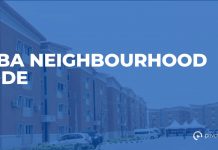
Agege is one of Lagos’ most vibrant, affordable, and densely populated mainland communities. Known for its strong local culture, bustling markets, and strategic location, Agege continues to attract students, artisans, traders, young professionals, and low-to-middle income earners looking for accessible housing within Lagos.
In recent years, the area has also seen steady infrastructure improvements and rising real estate activity, making it more appealing to both renters and investors.
📍 Where is Agege Located?
Agege is located on the Lagos Mainland, bordering areas like Ikeja, Ogba, Abule Egba, and Ifako-Ijaiye. It is both a Local Government Area (LGA) and a major residential/commercial hub in Lagos.
Its central positioning makes it easy to connect to:
- Ikeja (state capital and business district)
- Ogba
- Abule Egba
Why is it a good neighbourhood?
Agege is a good neighbourhood primarily because it offers something that is increasingly rare in Lagos — genuine affordability with strong urban connectivity. For many residents, especially young workers, small business owners, and families on a budget, Agege provides access to housing at price points that are far lower than areas like Ikeja or Lekki. This makes it a practical entry point into city living without sacrificing access to jobs and essential services.
Another major advantage of Agege is its strategic location on the Lagos Mainland. The area connects easily to key commercial hubs such as Ikeja, Ogba, Oshodi, and Berger. This means residents can commute to work, run businesses, or access government and corporate institutions without long-distance travel. Despite Lagos traffic, Agege’s central positioning still gives it an edge over more remote suburbs.
Agege also thrives as a commercial and economic hub. The neighbourhood is constantly active, with markets, roadside vendors, workshops, and small businesses forming the backbone of its economy. This creates opportunities for residents to earn a living within or close to where they live. For entrepreneurs and traders, the steady flow of people translates to consistent customer demand, which is a big reason many people choose to settle there long-term.
The area is also known for its strong community culture and social life. Unlike more isolated estates, Agege has a lively, people-oriented environment where neighbours interact frequently and daily life happens in shared spaces. From local food spots to street markets, there is a sense of energy and familiarity that appeals to many residents. This makes it particularly attractive to those who value community over exclusivity.
Another reason Agege stands out is its high rental demand, which makes it appealing not just for residents but also for property investors. Because of its affordability and location, there is always a steady stream of tenants looking for self-contains, mini flats, and shared apartments. This creates reliable occupancy rates and makes it easier for landlords to generate consistent rental income compared to more expensive, slower-moving markets.
Finally, Agege is gradually evolving. Infrastructure improvements, road upgrades, and redevelopment around areas like Pen Cinema are beginning to reshape parts of the neighbourhood. While it still has challenges such as congestion and uneven infrastructure, these ongoing developments suggest long-term growth potential. For many people, this combination of current affordability and future upside is what makes Agege not just a good place to live, but also a smart place to invest.
Popular Areas in Agege
Agege is not a single uniform neighbourhood — it consists of several sub-areas, each with its own character, pricing, and housing quality.
1. Dopemu
One of the most developed parts of Agege, Dopemu is known for:
- Better road networks
- Proximity to Ikeja and Ogba
- Slightly higher rent compared to other parts
Best for: Young professionals and workers in Ikeja.
2. Orile-Agege
A busy commercial and residential hub with:
- High population density
- Strong transport connectivity
- Affordable housing options
Best for: Traders, artisans, and budget renters.
3. Oko-Oba
Famous for the Oko-Oba Abattoir, this area is:
- Very active commercially
- Affordable but busy
- Not the quietest residential zone
Best for: Business-oriented residents.
4. Isale Oja / Old Agege
The traditional core of Agege:
- Rich cultural heritage
- Very dense housing
- Cheapest rental options
5. Pen Cinema Axis
A major landmark area undergoing redevelopment:
- Improved infrastructure
- Better accessibility
- Increasing property demand
Best for: Investors and commuters.
Self-Contain Apartments in Agege
Self-contains (single-room apartments with private bathroom/kitchen) are among the most in-demand housing types in Agege due to affordability.
What to Expect
- Compact living spaces
- Basic facilities (some with shared compound amenities)
- Options ranging from old buildings to newer mini-apartments
Self-Contain Price in Agege (2026)
Rental Price Range
- Standard self-contain: ₦250,000 – ₦500,000/year
- Newer self-contain: ₦400,000 – ₦700,000/year
- Face-me-I-face-you (shared): ₦150,000 – ₦300,000/year
Mini Flats (1-Bedroom)
- ₦400,000 – ₦900,000/year
Prices vary based on:
- Street and accessibility
- Building condition
- Water and electricity availability
- Proximity to main roads
Agege Property Market Overview
Agege remains one of Lagos’ most affordable entry points into real estate, but demand is rising fast.
Rental Market Trends
- High demand for low-cost housing
- Strong tenant turnover (especially among young workers)
- Increasing rent in upgraded areas like Dopemu and Pen Cinema
Property Prices (Sale)
- Old houses / tenement buildings: ₦20m – ₦60m
- Blocks of flats: ₦50m – ₦150m
- Modern apartments: ₦40m – ₦120m
Investment Potential
Agege is attractive for:
- Rental income investments (high occupancy rates)
- Buy-and-renovate strategies
- Student housing (due to proximity to institutions)
Lifestyle & Amenities
Agege is known for its lively street life and strong commercial activity.
Markets & Commerce
- Local markets and roadside vendors
- Easy access to food, groceries, and daily needs
- Strong informal economy
Food & Culture
Agege is famous for:
- Local delicacies like Agege bread
- Street food culture
- Bustling nightlife in pockets
that continues to play a key role in the city’s housing ecosystem.